All Categories
Featured

Essential Methods to Expand Mid-Market Global Plans
Table of Contents
In particular, tax and legal direct exposure can begin surprisingly early, even if abroad income still feels "small". abroad activity can activate domestic taxation in another jurisdiction quicker than lots of owner-managers expect. cross-border sales, digital services and differing registration limits can develop compliance responsibilities and pricing issues. specifically relevant where IP, management charges, or intercompany/group transactions are involved.
guaranteeing IP, brand, trade properties and other intangibles are held and safeguarded in structures that decrease direct exposure as global activity grows. utilizing the ideal entities for the best threats, so operational exposure in one location does not unnecessarily endanger possessions held elsewhere. This is where an efficient contemporary Finance Director adds real strategic value.
They understand what to look for, when "little" abroad activity begins to create big ramifications, and how to prevent sleepwalking into avoidable exposure. In practice, a strong FD will emerge the issues early, commission the best professional suggestions, and coordinate the moving parts throughout tax advisors, legal counsel and internal stakeholders.
Along with the macro picture, AI is ending up being a defining force in how finance functions operate. Globally, adoption amongst SMEs is rising quickly, and those who move first tend to gain an edge in effectiveness, decision speed and funding. Tools that analyse invest, flag abnormalities, boost forecasting and produce commentary are moving from speculative to mainstream.
A loosely run financing function that feeds poor-quality information into automatic tools just speeds up confusion. A disciplined, FD-led finance function does the opposite: it produces a strong structure for automation to provide reputable insight. Designing constant coding structures and monetary information designs. Selecting proper automation tools for the size and complexity of business.
Forecasting the 2026 UK Business Outlook
In 2026, SMEs will complete on financial clarity as much as item or service quality. AI expands the space in between disciplined and unrestrained services.
Fixed headcount becomes a larger commitment, specifically in junior or functional functions where performance can be variable. Hiring errors end up being more pricey, not only economically but in management time. Minimizing irreversible hiring and being more selective about internal roles. Relying more greatly on fractional professionals, consisting of fractional FD services. Increasing automation and AI adoption to simplify documentation-heavy or repeated workflows.
They design workforce scenarios, hire vs contract out vs automate, and demonstrate how these choices affect cashflow, margin and functional danger. Provided this background, what should an SME's financing leadership, whether in-house or outsourced, concentrate on over the next 18 months? rolling projections, circumstance planning, debtor management and supplier negotiations that surpass spreadsheets into structured process, supported by strong cashflow management.
turning reporting into lender- and investor-ready packs through tactical finance assistance. monitoring FX, landed expense and local profitability with ongoing scenario modelling. supported with clean data and automated dashboards produced via strong management reporting. These are not administrative chores, they are strategic enablers. And for numerous SMEs, the most cost-efficient route to this ability is an outsourced Finance Director who brings senior-level clarity without including work risk.
The Benefits of Global Talent Sourcing
For services considering their next move, the accessibility and expense of finance matters as much as self-confidence. What we are seeing now is a market where, in spite of combined sentiment, the conditions for financial investment are improving in useful and measurable methods. It would be fair to say that self-confidence among SMEs has softened over the past year.
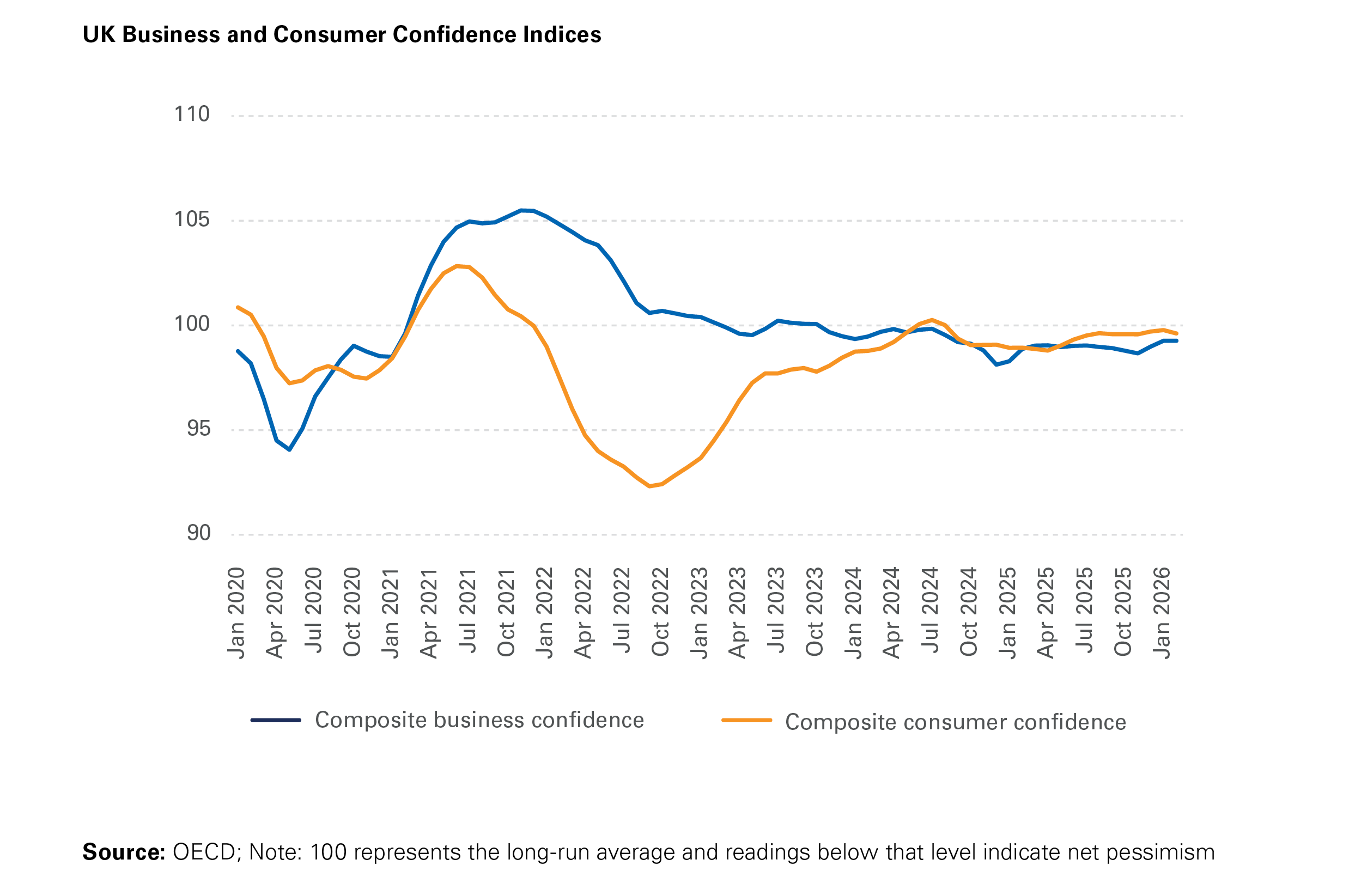
What has actually changed is presence. Services now have a clearer view of their expense base, their tax position and the more comprehensive economic backdrop. That clarity, even if it includes hard choices, enables companies to strategy. Significantly, we are hearing organizations describe 2026 as a year of shipment rather than delay.
Firms understand that capital is available at an affordable expense, and that this creates an opportunity to bring forward expansion strategies that may have been parked while conditions were less certain. While confidence might be weaker than it was 12 or 18 months earlier, the tone of conversations has actually become more positive.
Recently, property financing attracted particular attention, helped by tax incentives that made it particularly appealing. Some of those benefits have actually considering that decreased, however instead of dampening activity, we are seeing demand throughout the full range of business lending. Property-backed finance, structured loaning and asset finance are all in play.
The lender side of the market is also shifting in favour of borrowers. There is an abundance of capital offered, providing criteria are softening, and rates is alleviating.
Will Green Mandates Impact UK Success
Services that limit themselves to a single loan provider are undoubtedly limiting their alternatives. A whole-of-market technique permits funding to be structured around the requirements of business rather than the restraints of a particular product. Working with skilled commercial financing brokers provides services access to a large lending universe and a much wider series of services.
It likewise indicates companies can react faster as conditions develop, rather than being tied to one path. Looking ahead, I think the next stage will favour organizations that are prepared to make considered investment decisions. After a controlled 2nd half of 2025, the mix of capital availability, lending institution cravings and enhancing rates produces a platform for development.
Those who continue to defer decisions might discover themselves standing still while the market moves on. The message I would give to organization owners is not to neglect risk, but to acknowledge opportunity.
For companies with ambition, a clear plan and the willingness to engage appropriately with the financing landscape, this is a period that can be used to support sustainable growth instead of just to tread water.
NatWest Markets does not undertake to upgrade you of such modifications. Other than as indicated, this article has been prepared on the basis of openly readily available information thought to be reliable but no representation, guarantee, endeavor or assurance of any kind, reveal or implied, is made as to the adequacy, precision, completeness or reasonableness of the details included in this article, nor does NatWest Markets accept any obligation to any recipient to update or fix any information contained herein.
Navigating the 2026 British Economic Outlook
The views expressed herein might not be objective or independent of the interests of the authors or other NatWest Markets trading desks, who may be active participants in the markets, investments or methods described in this post. NatWest Markets will not act and has actually not acted as your legal, tax, regulatory, accounting or financial investment adviser; nor does NatWest Markets owe any fiduciary responsibilities to you in connection with this, and/or any associated transaction and no dependence might be put on NatWest Markets for investment advice or suggestions of any sort.

Latest Posts

Reshaping Mid-Market Capital Markets Via Digital Reform
Building Resilient Supply Chains for Modern Mid-Market Firms

Driving Digital Transformation for Modern Leaders